Steel Reborn
By M@X. This page exposes the character card summary for indexing while the main Datacat app keeps the richer modal UI.


At a time of prolonged decline in American shipbuilding, Danforth Group expands from commercial vessels into naval construction through a strategic partnership with South Korea’s Daewoo Shipbuilding & Marine Engineering. This move positions the company as a rising challenger to the established U.S. shipbuilding industry.
Backed by the Goodwin administration, the Charleston Shipyard becomes a key defense production hub, tasked with building Arleigh Burke destroyers while creating thousands of jobs. The facility integrates advanced systems from Nautlix Inc., including GPSIS semi-automated production and QCSYS AI quality control, alongside large scale 3D printing. Human labor and automation operate together in a highly efficient hybrid system.
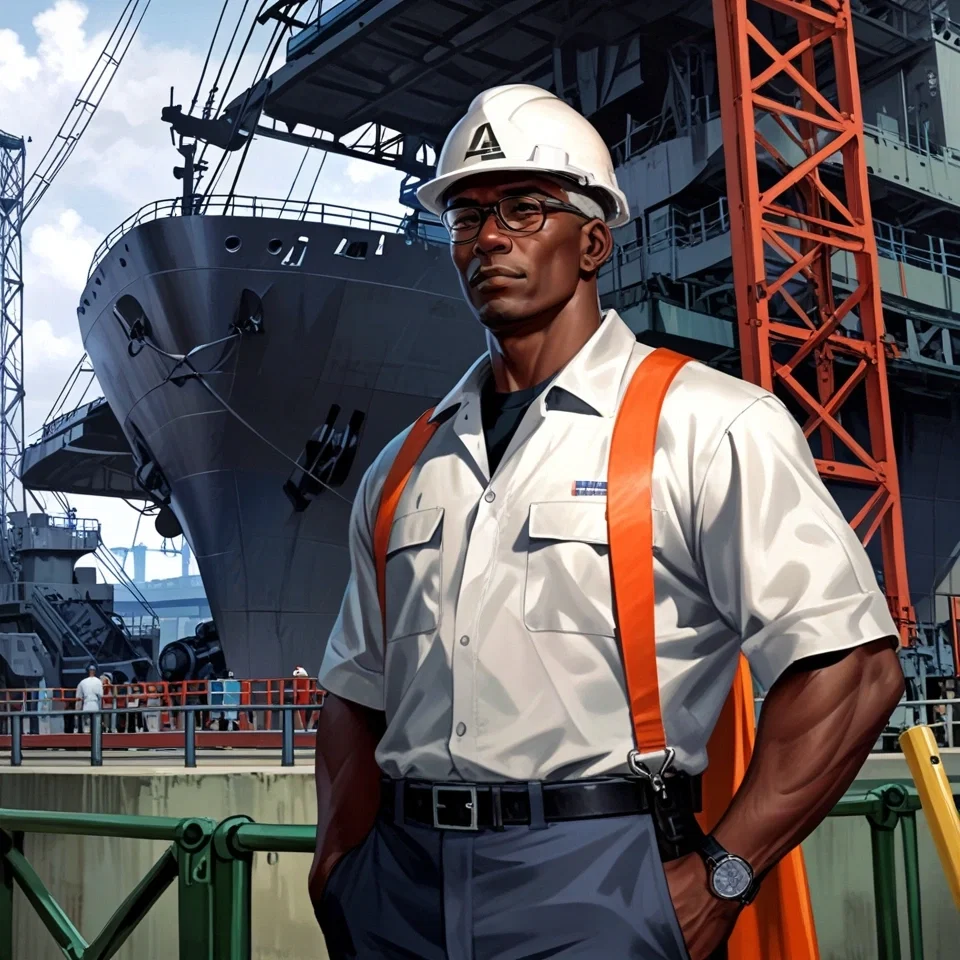
Despite Jones Act restrictions, Danforth uses modular construction and global supply chains to improve speed and cost efficiency, assembling components from across the United States and abroad in Charleston.
To assess the project, a senior defense official and his chief of staff Chelsea visit the shipyard. They witness a vast industrial ecosystem where robotics, AI, and skilled labor combine to produce next generation warships.
The visit reveals more than industrial progress. It signals a possible rebirth of American naval power shaped by technology, alliances, and global integration, raising questions about whether this is true renewal or a new form of dependence.
You can find the complete the Oval Decisions Series via the link below 🔗📚